
Maryland is working through a statewide building-code update. Here is what is confirmed, what is still in process, and the practical questions buyers and landowners can ask about a specific project.
Maryland’s Building Codes Administration says it is in the process of updating the Maryland Building Performance Standards and related regulations. The proposed changes would adopt the 2024 editions of the International Building Code, International Residential Code, and International Energy Conservation Code by reference, with Maryland-specific amendments. The proposal was published for public review on June 26, 2026, with the public-comment period ending July 27. The state page still describes the update as in process, so it should not be treated as a final statewide effective-date announcement. Maryland Building Codes Administration: 2026 updates →
Why does that matter to someone buying a new home? Building codes establish minimum requirements for how a home is designed and constructed, but the phrase “built to code” is not specific enough to answer every question. A useful conversation identifies the exact project, the permitting jurisdiction, the code edition and amendments that apply, and the plans and specifications being used for that home.
Maryland’s statewide framework creates a common base. The Department of Labor explains that the Maryland Building Performance Standards use the same editions of the IBC, IRC, and IECC across the state. Local jurisdictions may modify the building and residential codes for local conditions. Energy-code and accessibility requirements may be made more stringent locally, but not less. Because ordinances change, the state directs people to confirm current information with the applicable local jurisdiction. Maryland Building Performance Standards overview →
For a buyer, start with four questions: Which code edition applies to this permit? Are there local amendments that affect this home? Are the plans and specifications current for this address or homesite? Has anything changed since the permit package was prepared? You do not need to interpret a code book. You are asking the builder and reviewing agency to identify the controlling documents for the project you are considering.
Keep code requirements separate from model-home features. A completed model can help you evaluate layout, light, storage, and finish choices. It does not tell you which features are standard, which are options, or which code edition governs another home. Review the included-features list and current plans for the specific property, then ask how any requested change would be documented and whether it affects permitting or timing.
Landowners should separate building code from land-use approvals. A code update does not, by itself, answer how many homes a parcel can support. Zoning, access, utilities, environmental conditions, subdivision requirements, and agency review remain separate parts of feasibility. When discussing a property, ask which assumptions relate to land use, which relate to building design, and which still need confirmation from the appropriate jurisdiction or design professional.
Timing deserves a direct question, not an assumption. Projects can be at different points in design, permit review, or construction while a regulatory update is moving forward. Ask the builder or engineer whether the proposed update affects the project now, could affect a later submission, or simply needs to be monitored. An online headline about a new code edition is not a substitute for a project-specific answer.
The practical takeaway is simple: ask for the edition, the jurisdiction, and the current documents. Those three details turn a broad code conversation into something the builder, buyer, landowner, and design team can verify together. At A.R. Builders, our work spans new-home construction and residential land development, so we believe the most useful early question is often not “What is the rule?” but “Which rule applies to this project, at this stage?” Explore our home plans → Explore our communities →
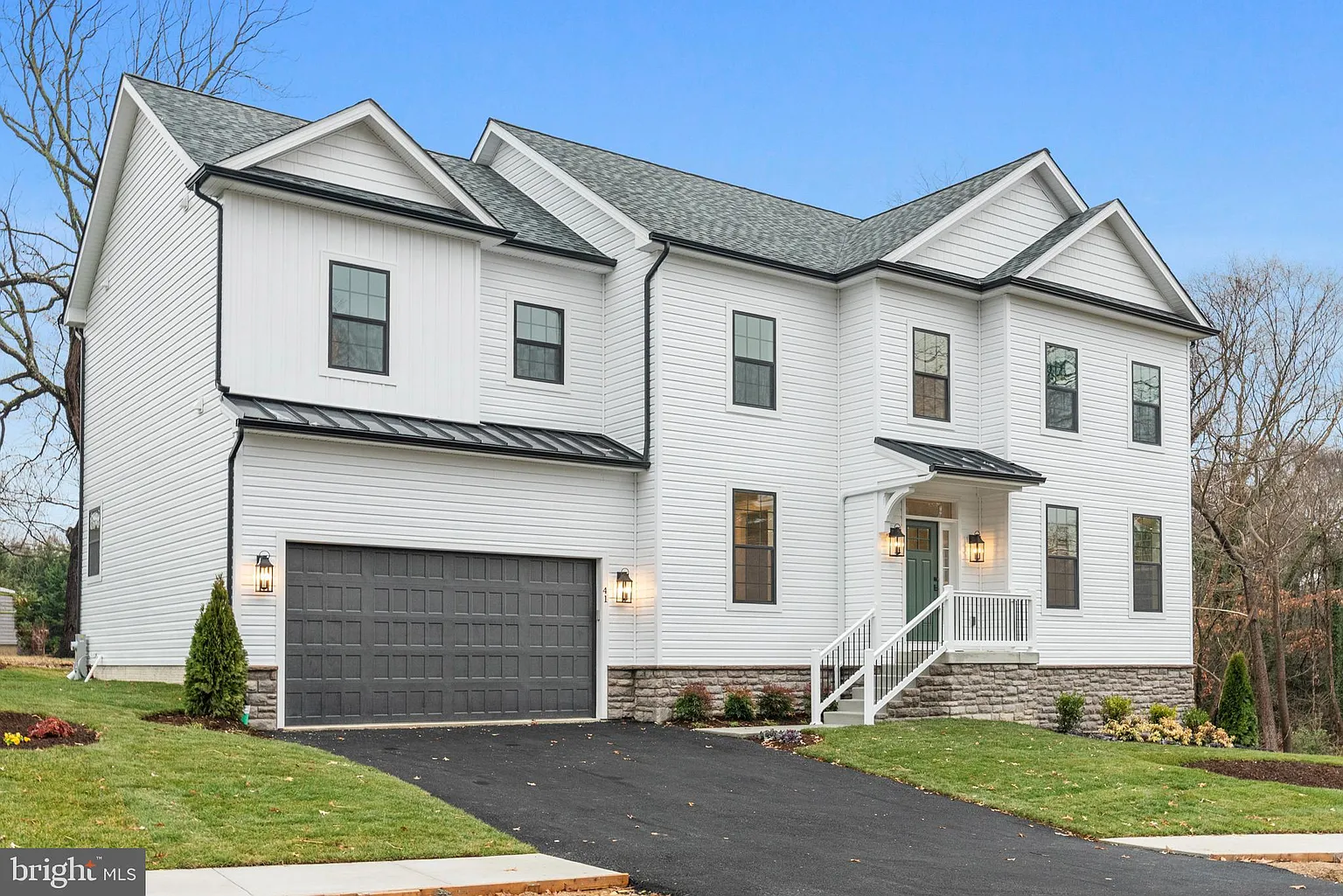
Photo: our completed Birch model. The image illustrates finished residential construction; it does not establish the code edition, permit status, availability, or specifications of another project. State resources checked September 28, 2026. This article is general information, not a code interpretation or determination for a particular property.